Mark 1 Mini Hydrofoil Boat
In progress — foil calculations and rear-foil CAD completed; manufacturing and control-code work started.
A larger RC hydrofoil design that applies the first boat’s lessons to a canard configuration, fully submerged foils and a proposed active-control system.
- Planned hull length
- 1.5 m
- Target foiling speed
- About 3 m/s (5.8 knots)
- Foil arrangement
- Canard
- Foil immersion
- Fully submerged
What — The next design problem
My first RC Hydrofoil Boat achieved foiling, but the lightweight prototype was sensitive to throttle input and prone to jumping out of the water. Mark 1 is intended to address that control problem while bringing mechanical design, fabrication, electronics and software into one prototype.
The new design increases the planned hull length from 55 cm to approximately 1.5 m and replaces the earlier surface-piercing arrangement with fully submerged foils in a canard layout.
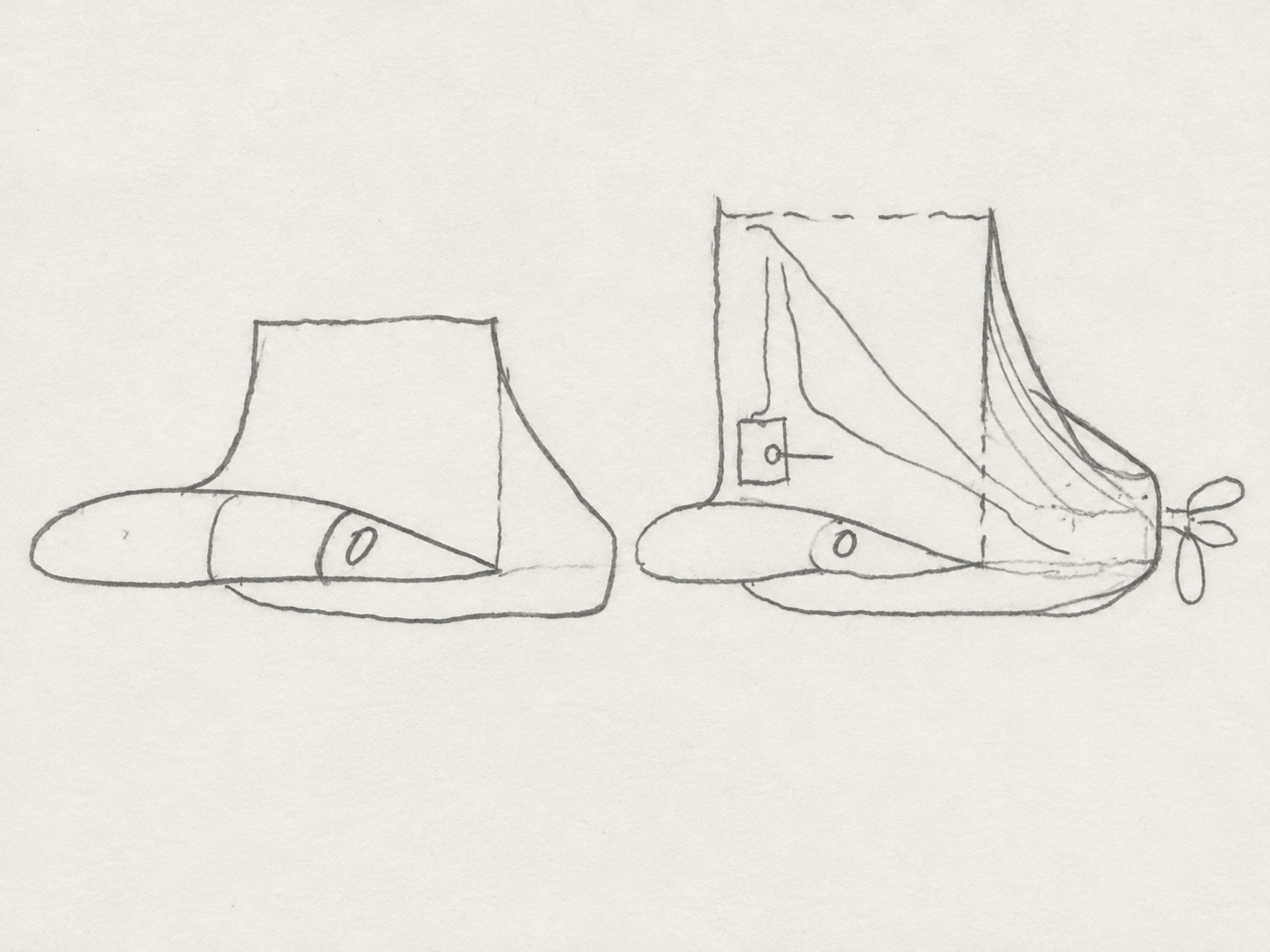
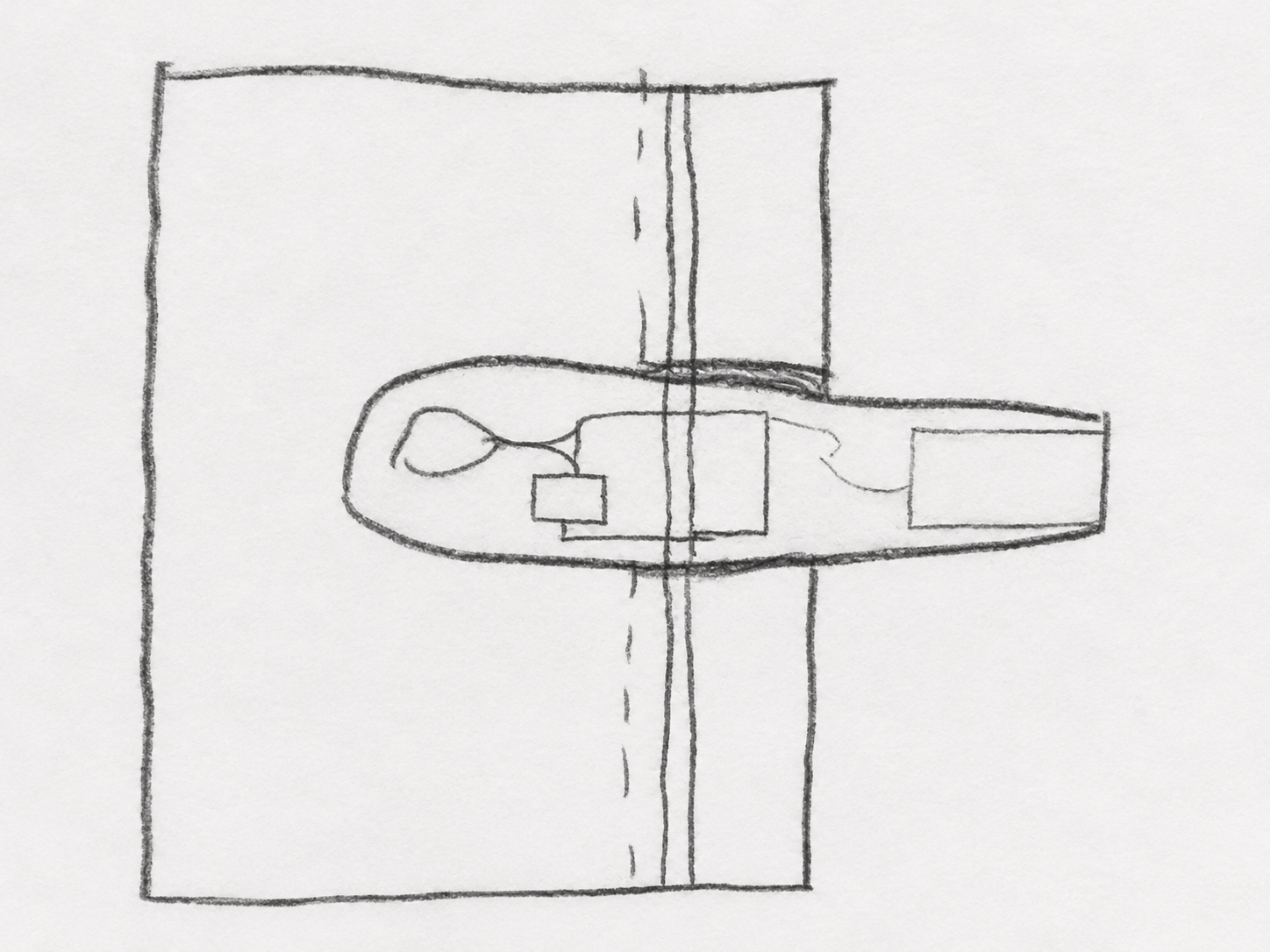
Early design sketches
Original pencil sketches, with AI-assisted cleanup for presentation.
How — Foil selection and sizing
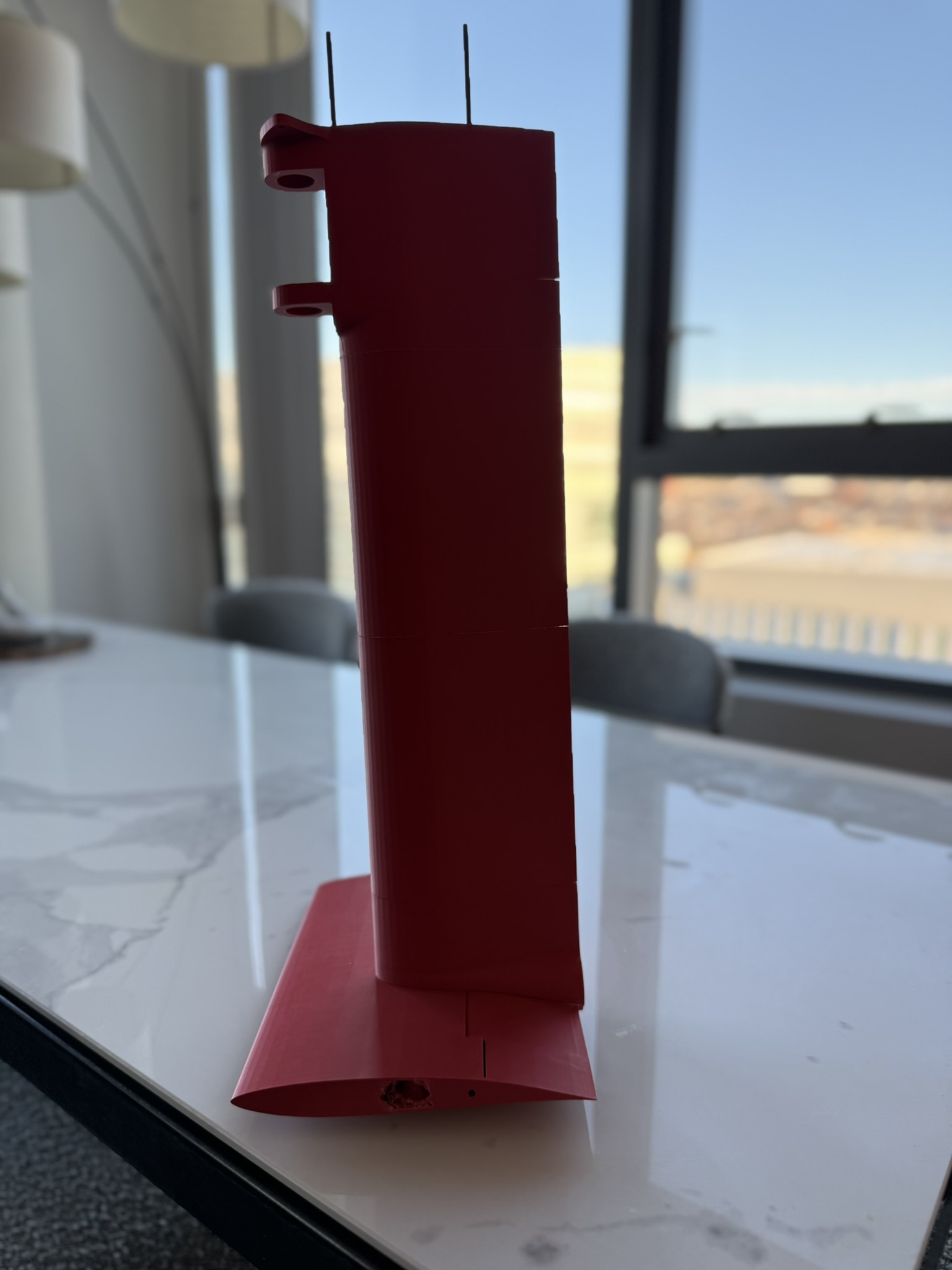
I completed preliminary foil calculations using equations from Ray Vellinga’s Hydrofoils: Design, Build, Fly and developed CAD for the rear foils. This gives the second design a more analytical basis than my first boat’s initial estimates.
The current design dimensions include a 180 mm foil chord and a 120 mm strut length. Manufacturing work has started.
The design targets foiling at approximately 3 m/s, or about 5.8 knots. This is a design target, not a measured result.
My selection work includes profiles intended for laminar-flow operation and consideration of how accurately I can manufacture the foil surfaces. Their performance in this build remains to be validated.
Reference: Ray Vellinga, Hydrofoils: Design, Build, Fly.
How — Active-control development
I selected dRehmFlight as the flight-control software platform and began initial control-code work. The aim is to control pitch and ride height using movable control surfaces on the foils.
- Height sensing: a forward-mounted ultrasonic sensor is planned to provide a distance measurement for ride-height control.
- Motion sensing: an IMU is planned to supply measurements for assessing pitch and angular motion.
- Control and actuation: the controller would process the sensor inputs and command the foil control surfaces.
The code is at an early stage. Sensor integration, control logic and closed-loop behavior still require development and testing.
Why — Development goals
Mark 1 is intended to produce smoother, more controllable foilborne operation while developing my skills in CAD, additive manufacturing, electronics and control software. It is an opportunity to apply the first prototype’s lessons about tolerances, design assumptions and changing one test variable at a time.
A later goal is to manufacture the final foil components in carbon-fiber composite, building on the composite fabrication experience I gained with the camera fairing.
Current status and next steps
Completed: preliminary foil calculations and rear-foil CAD.
Started: manufacturing work and initial control-code development.
Still to validate: the integrated sensing and control system, and the boat’s foilborne performance.
- Review the current CAD and component interfaces.
- Reassess the hardware selection before finalizing the integration plan.
- Develop and check sensor-to-actuator control through staged tests.
- Use prototype results to inform future composite fabrication.